
Cooking chicken in an air fryer feels like cheating, but it’s a real skill to get it just right. The trick is balancing that crispy exterior with moist, tender meat inside—no small feat. I’ve found that a simple spice rub and a quick rest make all the difference, turning plain chicken into a standout in no time.
Why I Keep Coming Back to This Method
It’s quick, forgiving, and consistently yields juicy, flavorful chicken. Plus, the crispy exterior beats baking or pan-frying in grease. I love how adaptable it is—seasonings, sides, or salads—making it a go-to in busy weeks or when I want something reliable.
What’s in the Magic Mix?
- Olive oil: Helps the spices stick and promotes a crispy crust. Use good quality for flavor.
- Garlic powder: Adds a warm, savory aroma. Fresh garlic can be used, but it burns easily.
- Smoked paprika: Gives a smoky depth and vibrant color. Swap for regular paprika if you prefer milder.
- Salt and pepper: Fundamental for seasoning. Adjust based on your salt preference.
- Optional herbs: Dried thyme or oregano can add extra aroma, depending on your mood.
Tools of the Trade for Juicy Chicken
- Air fryer: The main appliance for quick, even cooking.
- Meat thermometer: Ensures the chicken hits the perfect internal temp.
- Small bowl: Mixing spices and oil for even coating.
- Tongs: Handling the chicken without piercing the meat.
- Paper towels: Drying the chicken for better searing.
Step-by-Step to Perfectly Cooked Chicken Breast
Step 1: Preheat your air fryer to 200°C (390°F).
Step 2: Pat the chicken breasts dry with paper towels to remove excess moisture.
Step 3: In a small bowl, mix olive oil, garlic powder, smoked paprika, salt, and pepper.
Step 4: Rub the mixture all over the chicken breasts evenly.
Step 5: Place the breasts in the air fryer basket in a single layer, skin-side down if applicable.
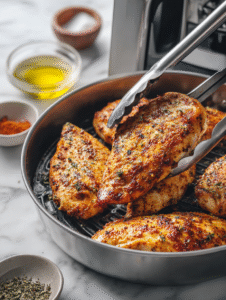
Step 6: Cook for 10 minutes, then flip and cook another 8-10 minutes.
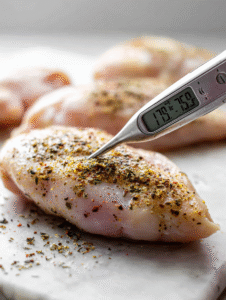
Step 7: Check for doneness: the internal temp should hit 75°C (165°F).
Step 8: Let the chicken rest for 5 minutes before slicing to retain juices.
Cooking Checks and Tips for Success
- Look for a golden, slightly crispy surface without burning.
- Use a reliable meat thermometer to ensure 75°C (165°F).
- Juices should run clear when pierced with a knife.
- The chicken should feel firm but not rubbery when pressed.
Common Pitfalls and How to Fix Them
- Cooking time too long.? Use a thermometer—overcooking leads to dryness.
- Serving immediately without resting.? Don’t skip resting—juices stay in the meat.
- Underseasoned chicken.? Adjust seasoning—taste and tweak before cooking.
- Undercooking or overcooking.? Keep an eye on the temp—avoid pink on the inside.
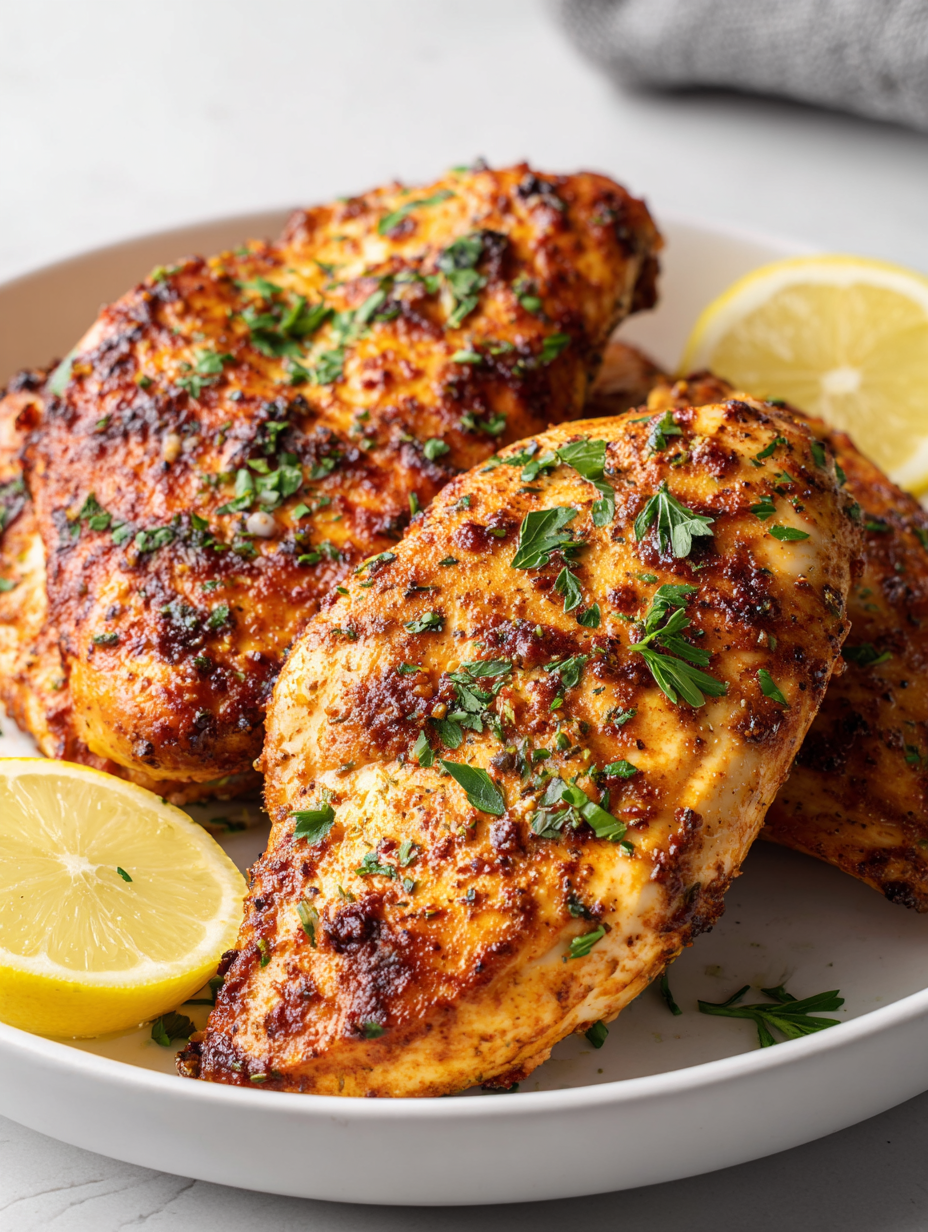
Air Fryer Spiced Chicken Breasts
Ingredients
Equipment
Method
- Preheat your air fryer to 200°C (390°F) so it’s ready to cook the chicken evenly and quickly.
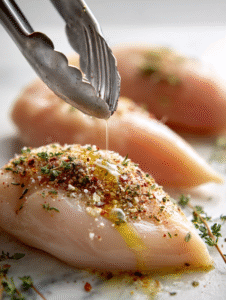
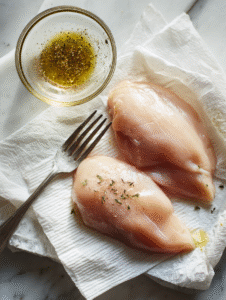
- Pat the chicken breasts dry with paper towels—this helps the spice rub stick better and promotes a crispy crust.
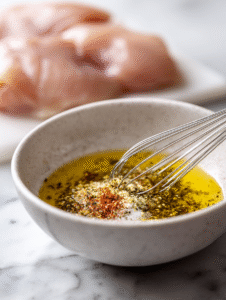
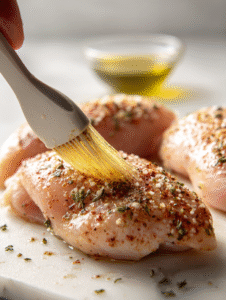
- In a small bowl, whisk together olive oil, garlic powder, smoked paprika, salt, and black pepper to create a vibrant seasoning mixture.
- Use tongs or your fingers to evenly coat each chicken breast with the spice mixture, ensuring all sides are covered with the flavorful rub.
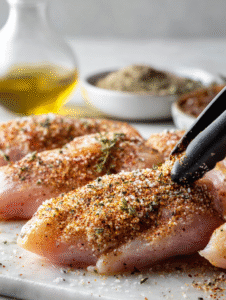
- Place the seasoned chicken breasts in the air fryer basket in a single layer, skin-side down if applicable, leaving space between each piece.
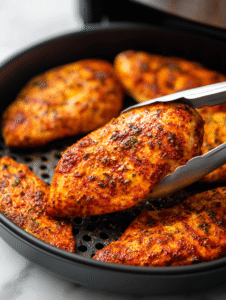
- Cook the chicken for 10 minutes, then carefully flip each piece using tongs to ensure even browning, and cook for an additional 8-10 minutes.
- Insert a meat thermometer into the thickest part of each breast; once it reads 75°C (165°F), the chicken is perfectly cooked and safe to eat.
- Remove the chicken breasts from the air fryer and let them rest on a plate for about 5 minutes—this allows the juices to redistribute, keeping the meat moist and tender.
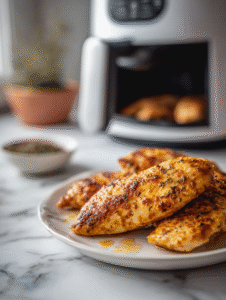
- Slice the chicken against the grain, revealing a juicy interior with a slightly crispy, flavorful exterior.
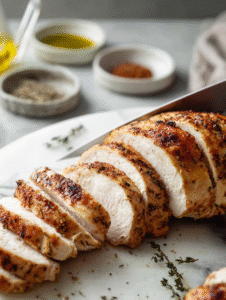
- Serve immediately with your favorite sides or salads for a quick, satisfying meal.
Notes

Hey there, I’m Devon Harper. I run a small neighborhood café by day, cook most of my meals far too late at night, and write Midnight Grocery Runs somewhere in between. If you’ve ever wondered whether something simple could turn into something comforting after a long day, you’ll feel right at home here.


