
This cranberry orange bread came about one chilly morning when I rummaged through my fridge and found a sad, leftover jar of cranberry sauce from the holidays. Instead of wasting it, I decided to bake something that would highlight its tangy sweetness and pair it with the bright, citrusy zing of orange. The result is a loaf that smells like sunshine and winter mornings, with a moist crumb and bursts of fruity goodness in every bite.
Baking this bread feels like a small act of reclaiming those leftover holiday flavors—turning what could be just a condiment into a centerpiece. It’s a recipe that’s perfect for breakfast with coffee or as a snack when the afternoon slump hits. Every slice carries a little bit of nostalgia, a reminder that good things can come from simple leftovers, transformed into something fresh and unexpected.
This recipe is inspired by my grandmother’s tradition of baking with leftover cranberry sauce after the holidays, turning what could be waste into a bright, zesty bread that brings back those festive memories with every slice.
Turning Leftovers into Bright Loaves
- Baking this bread feels like capturing a slice of holiday nostalgia, blending tart cranberries with bright citrus in every bite.
- I love how the orange zest wakes up my senses, making the loaf feel like a little burst of sunshine on gray mornings.
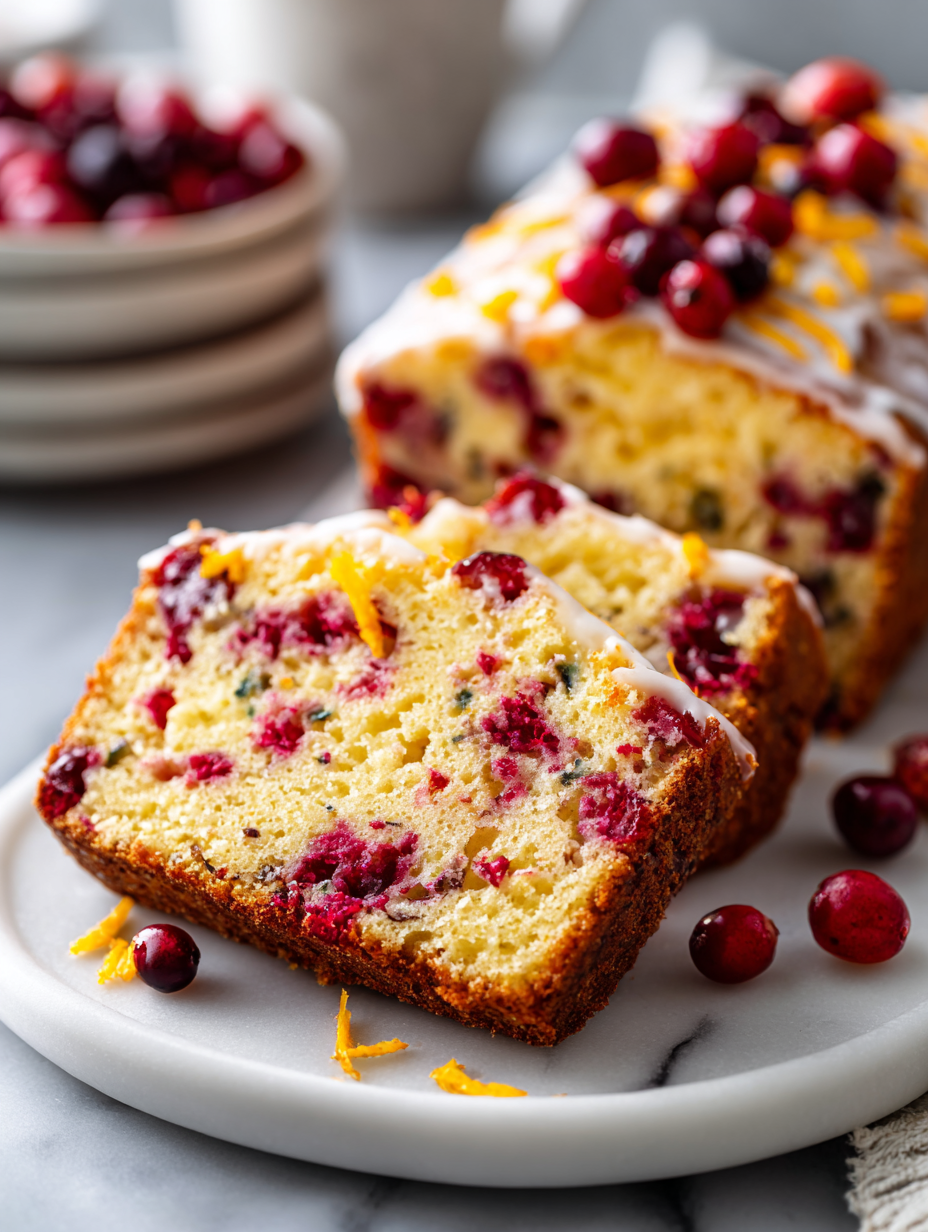
- Seeing the vibrant red cranberries pop through the golden crust always reminds me there’s beauty in simple, leftover ingredients.
- This recipe has become my go-to for turning holiday leftovers into something cozy and unexpectedly festive, no matter the season.
The story behind this recipe
- This recipe was born out of a lazy Sunday afternoon when I found a forgotten jar of cranberries in the freezer. I wanted to do something different, something that would brighten up the usual bread routine with a pop of tartness and citrus. The idea of combining cranberries with orange zest seemed like a natural fit, almost like capturing a little bit of winter’s sharpness in bread form. It’s simple, honest, and perfect for those mornings when you need a little extra cheer.
- Every time I bake this, I think about all the holiday leftovers that often go unnoticed after the rush. Turning those cranberries into something fresh and lively feels like reclaiming a small bit of holiday joy, long after the season ends. It’s a reminder that with a little creativity, everyday ingredients can become something special—no fancy tricks needed, just a bit of love and a dash of citrus.
- heading: ‘The story behind this recipe’,
Contextual origin, trivia, or history
- This bread traces its roots to early American settlers who used dried cranberries, then a rare treat, to add brightness to their baking.
- Cranberries were once considered only a medicinal berry before becoming a staple in festive baked goods in North America.
- Orange zest was historically prized for its aromatic oils and was often used in holiday baking to symbolize abundance and good fortune.
- The combination of cranberry and orange in baked goods gained popularity in the 20th century, aligning with the rise of seasonal, citrus-flavored treats.
Ingredient breakdown: key components
- Fresh cranberries: I love the tart burst they add, especially when they ooze slightly during baking; swap with frozen cranberries if fresh aren’t available, but expect a milder punch.
- Orange zest: It’s the bright, fragrant spark that lifts the whole loaf—use a microplane to get the most aroma; you can substitute lemon zest for a similar citrusy lift, but it’s not quite the same lively sweetness.
- All-purpose flour: I stick with plain flour for that reliable, tender crumb—whole wheat can work if you want a denser loaf, but reduce the liquid slightly to compensate.
- Sugar: I prefer granulated sugar for a clean sweetness, but honey or maple syrup can be substituted for more complex, cozy notes—just cut back a little on the liquid.
- Butter: It’s the rich backbone of this bread, but if you’re dairy-free, try coconut oil—just note it’ll add a subtle coconut flavor and a slightly different crumb.
- Baking powder: It’s the key to that gentle rise—don’t skip it, but if you run out, a bit of baking soda plus a splash of vinegar can do the trick in a pinch.
- Milk: Regular milk keeps the batter moist and tender; almond or soy milk work fine as substitutes, though they might subtly alter the flavor and moisture level.
Spotlight on key ingredients
Cranberries:
- Fresh cranberries: I love the tart burst they add, especially when they ooze slightly during baking; swap with frozen cranberries if fresh aren’t available, but expect a milder punch.
- Orange zest: It’s the bright, fragrant spark that lifts the whole loaf—use a microplane to get the most aroma; you can substitute lemon zest for a similar citrusy lift, but it’s not quite the same lively sweetness.
Orange:
- Orange zest: It’s the bright, fragrant spark that lifts the whole loaf—use a microplane to get the most aroma; you can substitute lemon zest for a similar citrusy lift, but it’s not quite the same lively sweetness.
- Orange juice: Adds moisture and a subtle tang; fresh squeezed is best, but bottled juice works in a pinch—just look for a bright, citrusy note in the flavor.
Notes for ingredient swaps
- Fresh cranberries: I love the tart burst they add, especially when they ooze slightly during baking; swap with frozen cranberries if fresh aren’t available, but expect a milder punch.
- Orange zest: It’s the bright, fragrant spark that lifts the whole loaf—use a microplane to get the most aroma; you can substitute lemon zest for a similar citrusy lift, but it’s not quite the same lively sweetness.
- All-purpose flour: I stick with plain flour for that reliable, tender crumb—whole wheat can work if you want a denser loaf, but reduce the liquid slightly to compensate.
- Sugar: I prefer granulated sugar for a clean sweetness, but honey or maple syrup can be substituted for more complex, cozy notes—just cut back a little on the liquid.
- Butter: It’s the rich backbone of this bread, but if you’re dairy-free, try coconut oil—just note it’ll add a subtle coconut flavor and a slightly different crumb.
- Baking powder: It’s the key to that gentle rise—don’t skip it, but if you run out, a bit of baking soda plus a splash of vinegar can do the trick in a pinch.
- Milk: Regular milk keeps the batter moist and tender; almond or soy milk work fine as substitutes, though they might subtly alter the flavor and moisture level.
Equipment & Tools
- Loaf pan: To shape and bake the bread evenly.
- Microplane zester: To extract fragrant orange zest.
- Mixing bowls: To combine wet and dry ingredients separately.
- Whisk: To blend ingredients smoothly.
- Spatula: To fold ingredients and smooth the batter.
- Toothpick or skewer: To test doneness in the center of the loaf.
- Cooling rack: To cool the bread evenly and prevent sogginess.
Step-by-step guide to baking
- Preheat your oven to 175°C (350°F). Grease a 9×5 inch loaf pan with butter or non-stick spray. Set aside.
- In a large bowl, whisk together 2 cups of all-purpose flour, 1 tsp baking powder, and a pinch of salt. Make sure it’s well combined.
- In a separate bowl, zest 1 large orange using a microplane until fragrant. Then, juice the orange—about 1/4 cup of juice. Set aside.
- In another bowl, melt 1/2 cup of butter (about 40 seconds in the microwave). Add 3/4 cup sugar, and whisk until smooth and slightly fluffy. Cool slightly if hot.
- Add 2 large eggs to the butter mixture, one at a time, whisking well after each. Stir in the orange juice and zest.
- Gently fold the wet ingredients into the dry ingredients until just combined. Do not overmix; a few lumps are okay.
- Stir in 1 cup of fresh or frozen cranberries, lightly tossed in a bit of flour to prevent sinking. They should be evenly distributed.
- Pour the batter into the prepared loaf pan, smoothing the top with a spatula. Sprinkle a little extra sugar or orange zest on top if desired.
- Bake for 50-60 minutes. The bread is done when the top is golden, and a toothpick inserted in the center comes out clean. It should crack slightly and smell citrusy and sweet.
- Remove from oven and let cool in the pan for 10 minutes. Then transfer to a wire rack to cool completely. Rest for at least 20 minutes before slicing to set the crumb.
- Slice with a serrated knife. The bread should be moist, with vibrant cranberries bursting through the golden crust. The aroma will be bright and inviting.
Let the bread cool in the pan for 10 minutes, then transfer to a wire rack. Rest for 20 minutes before slicing. Serve at room temperature to enjoy the full citrus aroma and moist crumb.
How to Know It’s Done
- Crust is golden and slightly crackled, indicating proper baking.
- A toothpick inserted in the center comes out clean, with no wet batter.
- The bread feels firm but springs back gently when pressed lightly.
Cranberry Orange Bread
Ingredients
Equipment
Method
- Preheat your oven to 175°C (350°F) and grease a 9x5 inch loaf pan. In a large mixing bowl, whisk together the flour, baking powder, and salt until evenly combined.
- Using a microplane, zest the orange until fragrant, then juice it to extract about 1/4 cup of fresh orange juice. Set both aside for later.
- In a separate bowl, melt the butter until just warm, then whisk in the sugar until the mixture is smooth and slightly fluffy. Add the eggs one at a time, whisking well after each addition, until the mixture is shiny and well combined.
- Stir in the orange juice, orange zest, and a little more zest on top if you like for extra aroma. Mix until everything is evenly incorporated.
- Gently fold the wet ingredients into the dry ingredients just until combined, being careful not to overmix — a few lumps are fine. This helps keep the bread tender and light.
- Rinse the cranberries, then toss them in a tablespoon of flour to prevent sinking. Fold the cranberries gently into the batter, distributing them evenly without breaking them up.
- Pour the batter into your prepared loaf pan, smoothing the top with a spatula. Sprinkle a little extra orange zest or sugar on top for a pretty finish.
- Bake in the preheated oven for about 50-55 minutes, or until the top is golden brown and a toothpick inserted into the center comes out clean. Your kitchen will fill with a bright citrus aroma as it bakes.
- Remove the bread from the oven and let it cool in the pan for 10 minutes. Then, transfer it to a wire rack and cool completely before slicing to allow the crumb to set nicely.
- Slice into thick pieces, revealing the juicy cranberries and fragrant citrus crumb. Serve at room temperature for the best flavor and moist texture. Enjoy your vibrant, festive loaf!
Pro tips for perfect cranberry orange bread
- Use a light hand when folding cranberries into the batter to prevent breaking them and bleeding their tart juice too early.
- Toast the cranberries lightly before folding them in for a deeper, slightly caramelized flavor that contrasts with their tartness.
- Zest the orange before juicing to maximize aromatic oils—hold the zest away from heat to preserve its fragrant burst.
- For even baking, give the pan a gentle tap on the counter to settle the batter and eliminate air pockets before baking.
- Check the bread after 50 minutes; if the crust is too dark but the center isn’t done, loosely cover with foil and continue baking.
- Let the bread cool completely on a wire rack; this prevents sogginess and helps the crust stay crisp and shiny.
- To prevent sinking, toss cranberries in a tablespoon of flour before adding to the batter—this keeps them suspended in the loaf.
Common mistakes and how to fix them
- TOO MUCH CRANBERRY: Use less cranberries if bread becomes too tart or sinks during baking.
- OVER-TORCHED CRUST: Cover with foil if top browns too quickly, preventing burning while interior finishes.
- MISSED MIXING: Fold ingredients gently; overmixing causes dense, tough bread texture.
- UNDER-BAKING: Extend baking time slightly if center is wet or doughy, testing with a toothpick.
Quick fixes and pantry swaps
- If berries sink, toss them in a little flour before folding in.
- When crust over-browns, shield with foil and extend baking time.
- Splash a little lemon juice if flavor needs a bright boost.
- Patch a cracked loaf by wrapping it in a towel to even out the heat.
- Shield the top if it crackles too soon, saving the interior from overbaking.
Prep, store, and reheat tips
- You can prep the batter up to a day in advance; keep it covered in the fridge to preserve freshness and citrus aroma.
- Store cooled bread tightly wrapped in plastic or foil at room temperature for up to 2 days; it stays moist and fragrant, with cranberries still bursty.
- For longer storage, freeze slices individually in airtight bags for up to 3 months; thaw at room temperature or gently reheat.
- Reheat slices in a 150°C (300°F) oven for 10 minutes, until warmed through and the aroma shimmers back; avoid microwave to keep crust crisp.
- The flavors deepen slightly after a day, with the cranberries mellowing into a sweeter, more integrated tartness, if stored properly.
Top questions about cranberry orange bread
1. Can I use frozen cranberries instead of fresh?
Yes, you can use frozen cranberries; just toss them in a little flour first to prevent sinking and ensure even distribution in the batter.
2. Can I substitute lemon zest for orange zest?
Absolutely, lemon zest makes a good substitute, giving a slightly different citrus punch but still brightens the loaf.
3. Can I replace all-purpose flour with whole wheat flour?
Yes, whole wheat flour can be used for a denser, nuttier loaf, but reduce the liquid slightly to keep it moist and tender.
4. Can I substitute honey or maple syrup for sugar?
Honey or maple syrup can work instead of sugar, but cut back a bit on the liquids to balance the batter.
5. What can I use instead of butter for a dairy-free version?
Coconut oil is a good dairy-free alternative, adding a slight coconut aroma and a different crumb texture.
6. Can I use baking soda instead of baking powder?
If you run out of baking powder, a small amount of baking soda plus vinegar can give a similar rise, but adjust the amount carefully.
7. Can I swap regular milk for plant-based milk?
Almond or soy milk are good substitutes, though they may slightly alter the moisture and flavor profile.
8. How do I know when the bread is done?
The bread is fully baked when the top is golden, crackled, and a toothpick inserted in the center comes out clean.
9. Should I let the bread cool before slicing?
Let the bread cool in the pan for 10 minutes, then transfer to a wire rack and cool completely before slicing.
10. How should I store leftover bread?
Store the cooled bread wrapped tightly at room temperature for up to 2 days or freeze slices for longer storage.
Baking this bread feels like turning a simple leftover into a celebration of brightness and comfort. The scent of citrus and baked cranberries lingering in the air makes the house feel warm and inviting.
Every slice reminds me that even the smallest ingredient, when treated with care, can create something memorable. It’s a reminder to embrace the imperfect, to enjoy the process, and to savor each bite with gratitude.

Hey there, I’m Devon Harper. I run a small neighborhood café by day, cook most of my meals far too late at night, and write Midnight Grocery Runs somewhere in between. If you’ve ever wondered whether something simple could turn into something comforting after a long day, you’ll feel right at home here.